Digital Marketing with AI
Digital marketing with AI is transforming the way businesses reach customers online.
Introduction
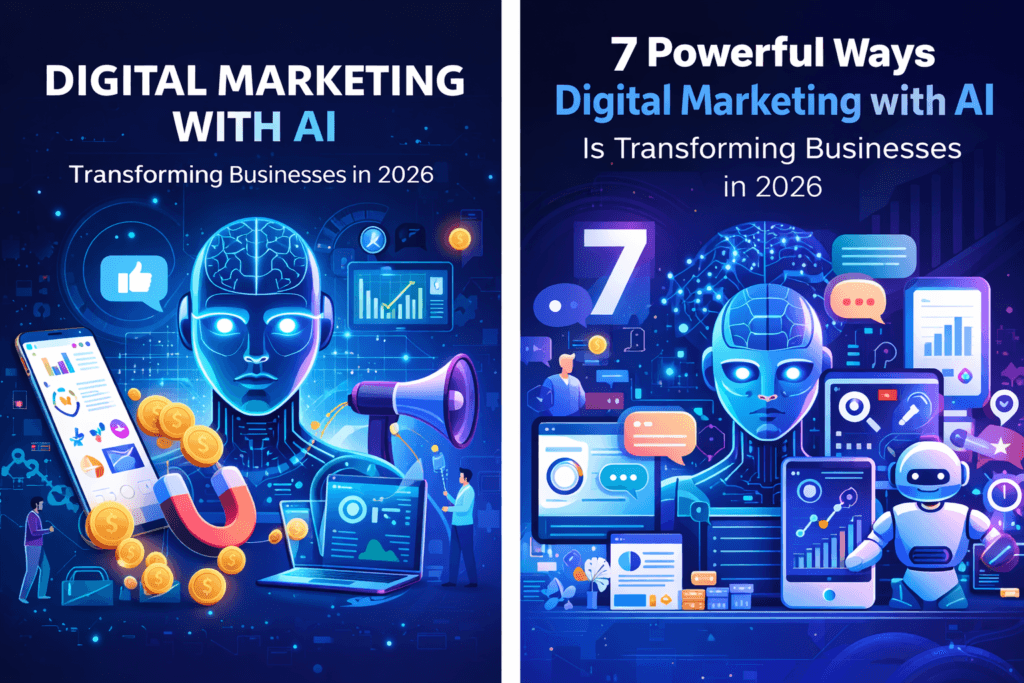
Technology is transforming the way businesses approach marketing, and one of the biggest changes in recent years is the rise of artificial intelligence. Today, companies are using digital marketing with AI to improve customer experiences, automate marketing tasks, and make smarter decisions based on data.
Artificial intelligence helps businesses analyze large amounts of information quickly and accurately. This allows marketers to understand customer behavior, predict trends, and create highly targeted marketing campaigns. As a result, businesses can reach the right audience at the right time with the right message.
In 2026, digital marketing with AI is expected to become even more important as companies continue to adopt advanced tools and technologies. From chatbots to personalized advertising, AI is helping businesses improve efficiency and increase marketing results.
What Is Digital Marketing with AI?
Digital marketing with AI refers to the use of artificial intelligence technologies to improve marketing strategies and automate processes. AI tools analyze customer data, track behavior patterns, and provide insights that help marketers create better campaigns.
Instead of relying only on manual analysis, businesses can use AI-powered tools to quickly identify opportunities and optimize marketing performance.
Some common AI technologies used in digital marketing include:
- Machine learning algorithms
- Predictive analytics
- Chatbots and virtual assistants
- Automated content generation
- Customer behavior analysis
These technologies make digital marketing with AI more efficient and effective.
AI-Powered Customer Insights
Understanding customers is one of the most important aspects of marketing. AI helps businesses analyze customer data and identify patterns that might not be visible through traditional methods.
With digital marketing with AI, companies can collect data from websites, social media platforms, and customer interactions. AI tools process this information and provide valuable insights about customer preferences and behavior.
These insights help businesses:
- Identify target audiences
- Improve marketing strategies
- Create personalized campaigns
- Predict future customer behavior
By understanding customers better, businesses can improve engagement and increase conversions.
Personalized Marketing Campaigns
Modern customers expect personalized experiences when interacting with brands. AI helps businesses create customized marketing messages based on user behavior and interests.
One of the biggest advantages of digital marketing with AI is the ability to deliver personalized content to each customer.
Examples of personalized marketing include:
- Product recommendations on websites
- Personalized email campaigns
- Targeted advertisements
- Customized website experiences
Personalization helps businesses build stronger relationships with customers and improve customer satisfaction.
AI in Content Creation
Content marketing remains an essential part of digital marketing strategies. Businesses regularly create blogs, videos, social media posts, and other types of content to engage their audience.
With digital marketing with AI, marketers can use AI tools to assist in content creation and optimization. These tools help generate ideas, analyze trending topics, and suggest improvements for better search engine performance.
AI can also help with:
- Keyword research
- Content optimization
- Grammar and readability improvements
- Content performance analysis
While human creativity is still essential, AI tools help marketers work more efficiently.
Chatbots and Customer Support
Customer support is another area where AI is making a significant impact. AI-powered chatbots can answer customer questions instantly and provide support 24/7.
Many businesses now use chatbots as part of their digital marketing with AI strategy. Chatbots improve customer experience by providing quick responses and guiding customers through the purchasing process.
Benefits of AI chatbots include:
- Faster customer support
- Reduced workload for support teams
- Improved customer satisfaction
- Increased sales opportunities
Chatbots also collect valuable data that helps businesses improve their marketing strategies.
AI in Advertising and Campaign Optimization
Advertising is an important part of digital marketing, and AI helps businesses improve the effectiveness of their ad campaigns.
With digital marketing with AI, advertising platforms can automatically analyze campaign performance and optimize ads for better results.
AI tools can help with:
- Identifying the best target audience
- Optimizing advertising budgets
- Improving ad placement
- Predicting campaign performance
These capabilities help businesses maximize their return on investment and achieve better marketing outcomes.
The Future of Digital Marketing with AI
The role of artificial intelligence in marketing will continue to grow in the coming years. As technology becomes more advanced, businesses will have access to even more powerful tools.
Future developments in digital marketing with AI may include:
- More advanced marketing automation
- Improved predictive analytics
- Smarter customer interaction systems
- Enhanced personalization strategies
Companies that adopt AI technologies early will have a significant advantage in the competitive digital marketplace.
Conclusion
Artificial intelligence is transforming the way businesses approach digital marketing. By using digital marketing with AI, companies can analyze customer data, automate marketing processes, and create personalized experiences that improve customer engagement.
From AI-powered insights to automated advertising and chatbots, artificial intelligence offers many opportunities for businesses to improve their marketing strategies. As technology continues to evolve, AI will become an essential tool for marketers who want to stay competitive.
Businesses that embrace digital marketing with AI today will be better prepared for the future and will have a stronger ability to connect with customers in the digital world.
Future of Digital Marketing with AI
The future of marketing is becoming more intelligent and data-driven, and digital marketing with AI is playing a major role in this transformation. Businesses are now using artificial intelligence to understand customer behavior, predict market trends, and deliver more personalized experiences. As technology continues to evolve, AI tools will become even more powerful and accessible for businesses of all sizes.
One of the biggest advantages of digital marketing with AI is automation. AI can handle repetitive marketing tasks such as email campaigns, social media scheduling, and customer segmentation. This allows marketers to focus more on strategy, creativity, and customer engagement.
Another important benefit is improved decision-making. AI-powered analytics can quickly analyze large amounts of data and provide valuable insights. These insights help businesses understand which marketing strategies are working and where improvements are needed.
In the coming years, digital marketing with AI will continue to grow as companies adopt smarter tools and technologies. Businesses that start using AI-driven marketing strategies today will have a strong competitive advantage in the digital marketplace. By combining human creativity with artificial intelligence, companies can create more effective marketing campaigns and achieve sustainable business growth.
Best Digital Marketing Agency in 2026
Introduction
The digital world is evolving faster than ever. Businesses are no longer competing only in local markets; they are competing globally through the internet. Because of this shift, companies need strong digital strategies to stay visible and attract customers online. This is why choosing the best digital marketing agency in 2026 has become one of the most important decisions for businesses.
A professional digital marketing agency helps companies improve their online presence, reach the right audience, and generate more leads. From search engine optimization (SEO) to social media marketing and paid advertising, agencies use modern tools and strategies to help brands grow.
In 2026, digital marketing will be more data-driven, customer-focused, and technology-powered than ever before. Businesses that work with the right agency can adapt to these changes and stay ahead of their competitors.
Why Businesses Need the Best Digital Marketing Agency in 2026
Online competition continues to increase every year. Thousands of businesses are trying to attract the same audience through search engines and social media platforms. Without a proper strategy, it becomes difficult for brands to stand out.
The best digital marketing agency in 2026 helps businesses create strong online strategies that improve visibility and engagement. Agencies combine marketing knowledge with technology to deliver measurable results.
Some of the key reasons businesses rely on digital marketing agencies include:
- Improving search engine rankings
- Increasing website traffic
- Building brand awareness
- Generating quality leads
- Boosting online sales
With expert guidance, companies can focus on their core operations while the agency handles marketing tasks.
Services Offered by the Best Digital Marketing Agency in 2026
A professional digital marketing agency provides a wide range of services designed to help businesses grow online. These services are tailored based on the business goals and target audience.
Search Engine Optimization (SEO)
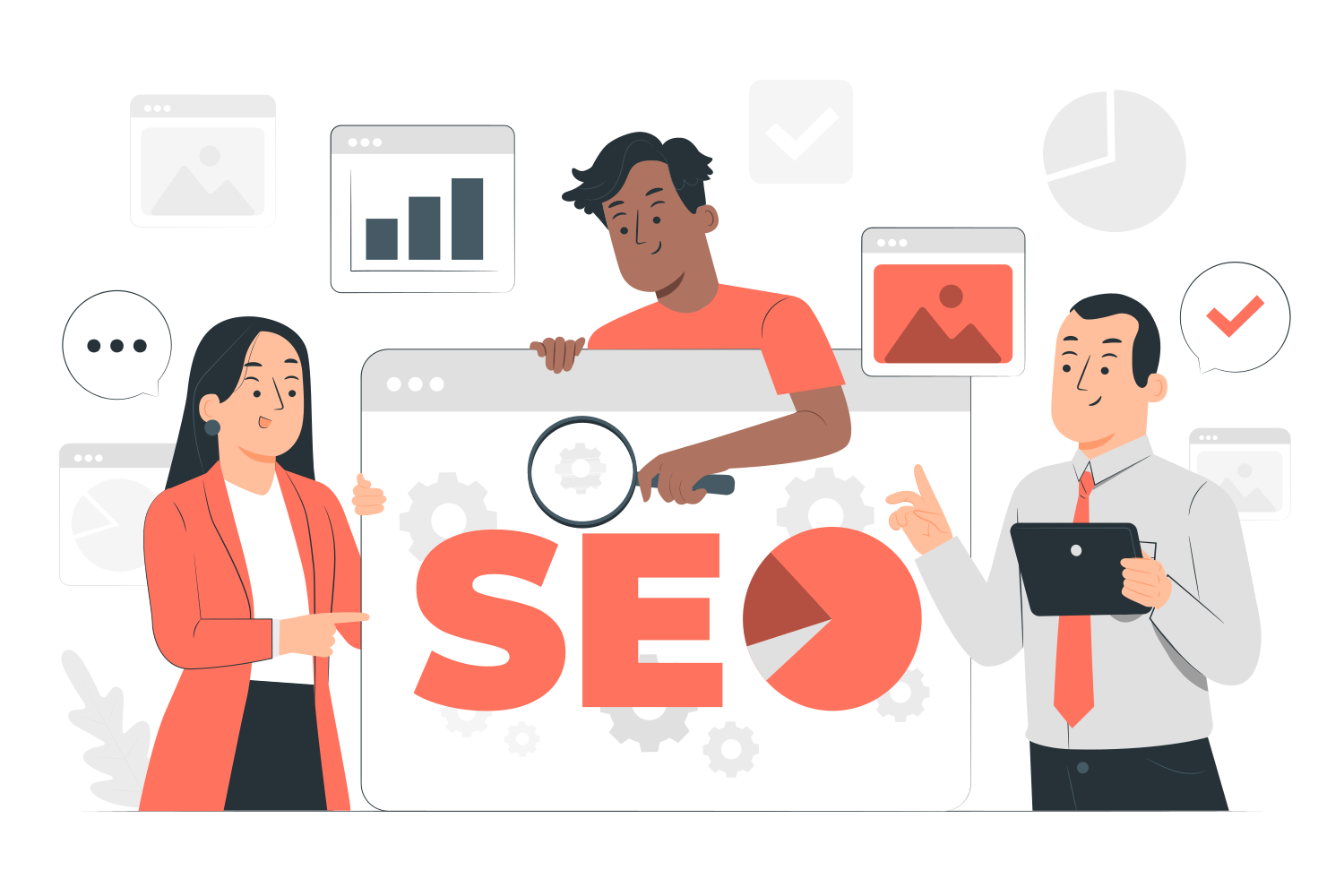
SEO is one of the most important services offered by the best digital marketing agency in 2026. SEO helps websites rank higher in search engines like Google, making it easier for customers to find businesses online.
SEO strategies typically include:
- Keyword research
- On-page optimization
- Technical SEO improvements
- Content optimization
- Link building
When done correctly, SEO can bring consistent organic traffic to a website.
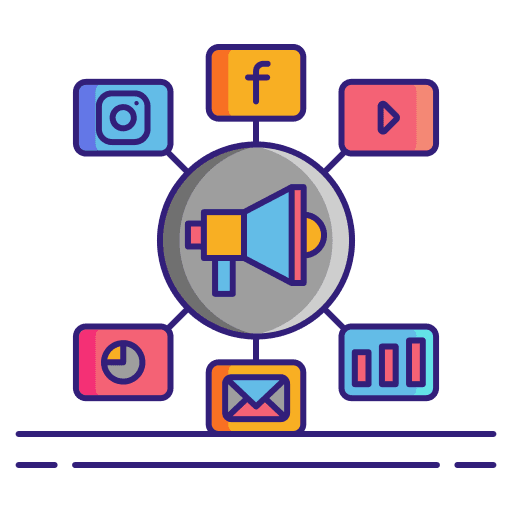
Social Media Marketing
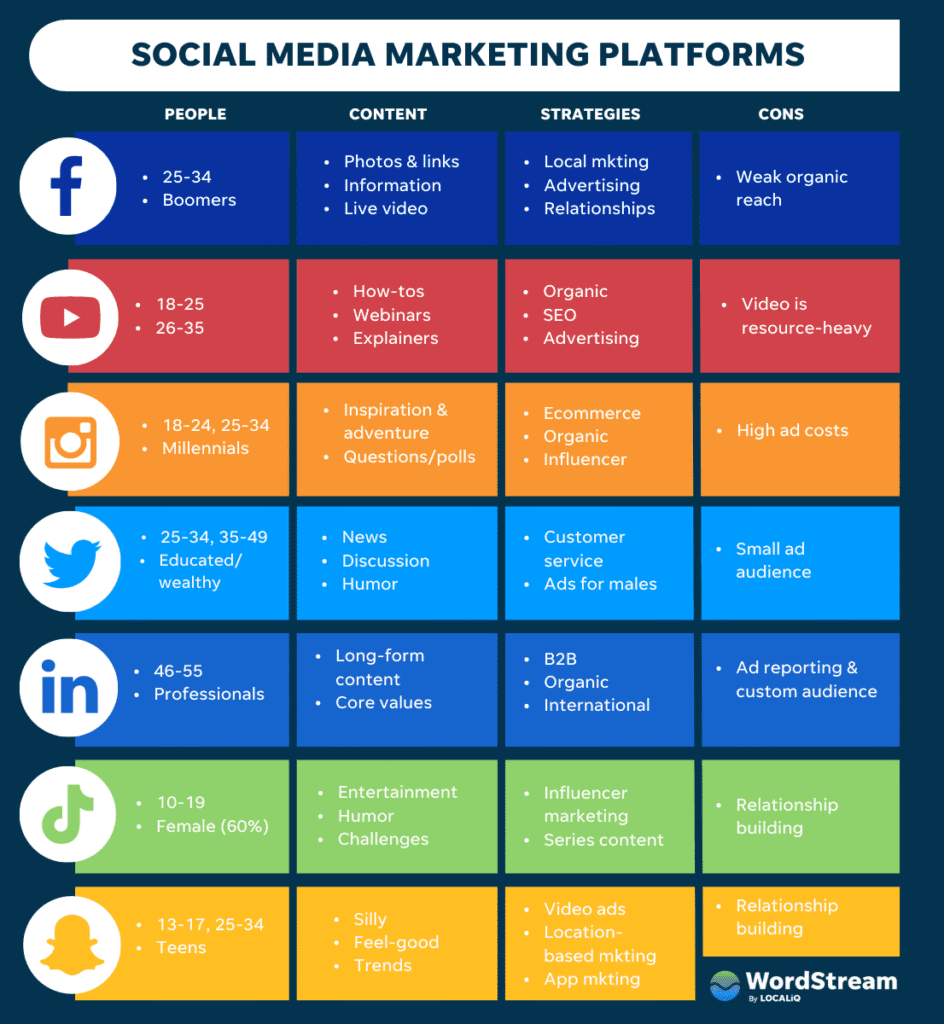
Social media platforms play a huge role in digital marketing. Billions of people use platforms like Instagram, Facebook, LinkedIn, and TikTok every day.
The best digital marketing agency in 2026 creates engaging social media strategies that help businesses connect with their audience.
Benefits of social media marketing include:
- Building brand recognition
- Engaging directly with customers
- Promoting products and services
- Increasing website traffic
Strong social media campaigns help businesses stay relevant in a competitive market.
Content Marketing
Content is the foundation of successful digital marketing. High-quality content helps businesses educate, inform, and engage their audience.
The best digital marketing agency in 2026 focuses on creating valuable content such as:
- Blog posts
- Website pages
- Social media content
- Videos and infographics
- Email newsletters
Good content builds trust with customers and improves search engine rankings.
Pay-Per-Click Advertising (PPC)
PPC advertising allows businesses to reach potential customers instantly. Platforms like Google Ads and social media ads help businesses target specific audiences based on their interests and behavior.
A skilled agency manages PPC campaigns by:
- Creating effective ad strategies
- Managing advertising budgets
- Analyzing campaign performance
- Optimizing ads for better results
This helps businesses generate leads quickly and improve return on investment.
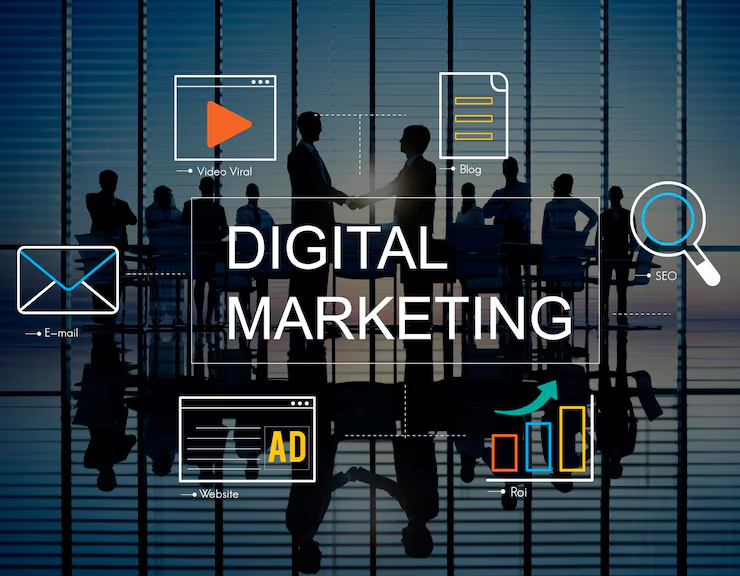
Key Qualities of the Best Digital Marketing Agency in 2026
Choosing the right agency is important because not every agency delivers the same level of expertise. The best digital marketing agency in 2026 usually has several important qualities.
Industry Experience
Experienced agencies understand different industries and know how to create strategies that work for specific markets. Their knowledge helps businesses avoid common marketing mistakes.
Data-Driven Approach
Modern digital marketing relies heavily on data and analytics. The best agencies analyze performance metrics to understand what works and what needs improvement.
Transparent Communication
Clear communication between businesses and agencies is essential. A reliable agency regularly shares reports and updates so clients can track marketing progress.
Creative Strategy
Creativity is another important factor. The best digital marketing agency in 2026 develops innovative campaigns that attract attention and encourage customer engagement.
Benefits of Hiring the Best Digital Marketing Agency in 2026
Working with a professional agency provides several advantages for businesses.
Access to Expert Knowledge
Digital marketing agencies have specialists in SEO, content marketing, social media management, and paid advertising. Businesses benefit from this expertise without hiring a large in-house team.
Time Efficiency
Managing digital marketing campaigns requires time and effort. By hiring the best digital marketing agency in 2026, businesses can focus on their products and services while experts handle marketing activities.
Advanced Tools and Technology
Agencies use professional marketing tools for analytics, keyword research, competitor analysis, and campaign management. These tools help deliver more accurate marketing results.
Measurable Results
Professional agencies track campaign performance using data and reports. Businesses can clearly see improvements in traffic, leads, and conversions.
Future Trends in Digital Marketing
Digital marketing continues to evolve with new technologies and customer behaviors. The best digital marketing agency in 2026 stays updated with emerging trends to provide effective strategies.
Some major trends include:
- Artificial intelligence in marketing automation
- Voice search optimization
- Video marketing growth
- Personalized customer experiences
- Advanced data analytics
Businesses that adapt to these trends can create stronger connections with their audience.
Conclusion
Digital marketing is no longer optional for businesses that want to grow in today’s competitive online environment. Choosing the best digital marketing agency in 2026 can help companies build a strong online presence and reach their target customers effectively.
From SEO and content marketing to social media campaigns and paid advertising, digital marketing agencies provide the expertise and tools needed for success. By working with a reliable agency, businesses can save time, improve marketing performance, and achieve long-term growth.
As technology continues to shape the future of marketing, businesses that partner with the right digital marketing agency will be better prepared to compete and succeed in the digital marketplace.
Choosing the best digital marketing agency in 2026 can help businesses improve online visibility, attract more customers, and achieve long-term digital growth.
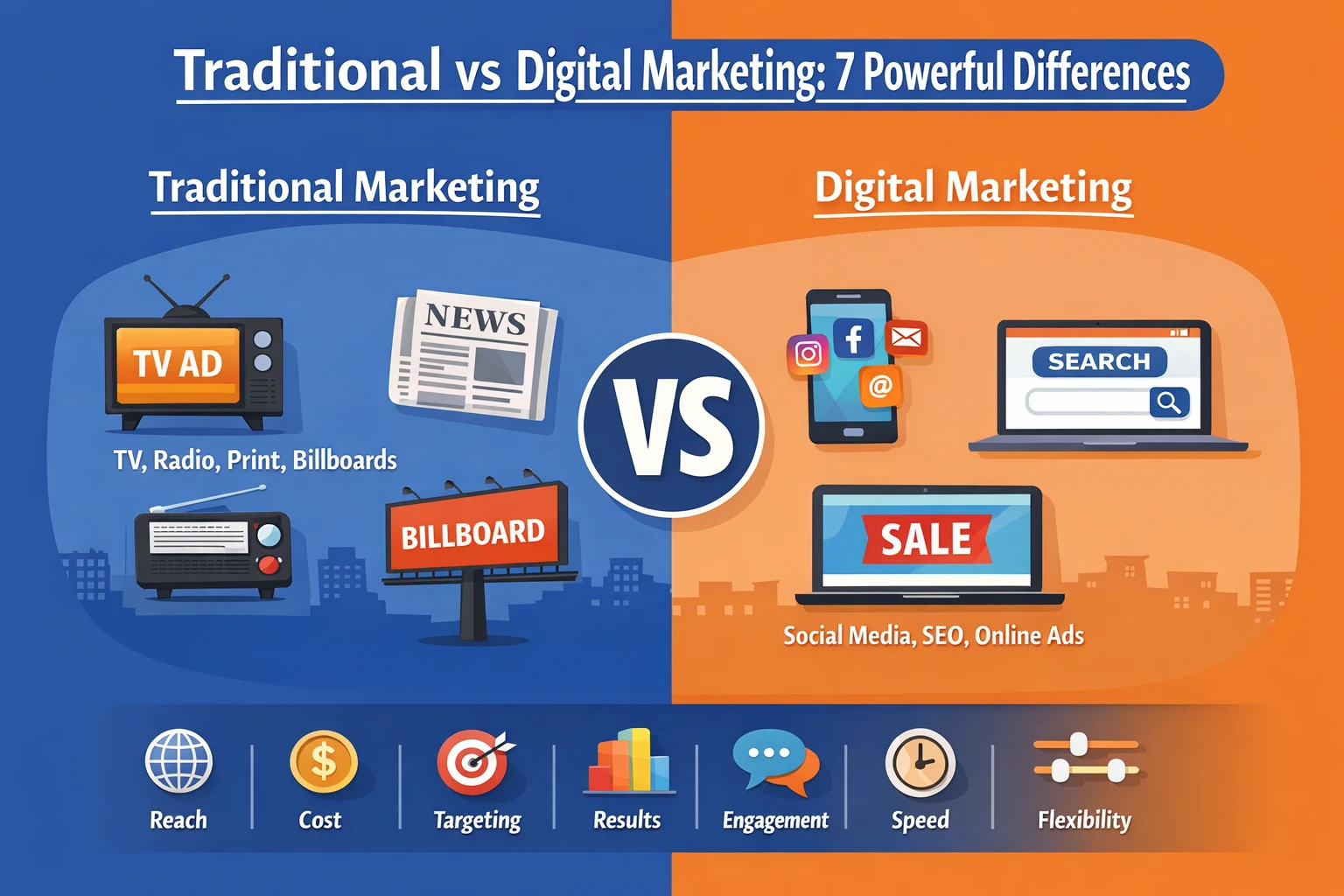
Discover 7 powerful differences between traditional vs digital marketing
Traditional vs Digital Marketing: 7 Powerful Differences
Marketing plays a vital role in the success of any business. Companies promote products, communicate with customers, and build brand awareness through different marketing strategies. However, marketing methods evolve significantly as technology changes. Because of this evolution, businesses often compare traditional vs digital marketing to understand which approach works better for modern markets.
Traditional marketing includes offline promotional techniques such as television commercials, radio advertisements, newspaper ads, billboards, brochures, and direct mail campaigns. These marketing channels help companies reach large audiences and create strong brand recognition. For decades, businesses rely heavily on these methods to promote products and services.
On the other hand, digital marketing focuses on online platforms. Businesses use websites, search engines, social media platforms, email campaigns, and online advertising to connect with customers. Because internet usage increases worldwide, digital marketing becomes an essential strategy for companies that want to reach modern consumers.
Therefore, understanding the differences between traditional vs digital marketing helps businesses choose effective marketing strategies that align with their goals, audience, and budget.
What Is Traditional Marketing?
Traditional marketing refers to promotional methods that use offline communication channels. Businesses rely on physical and broadcast media to deliver marketing messages to their audience.
Common Traditional Marketing Channels
Traditional marketing uses several channels to promote products and services.
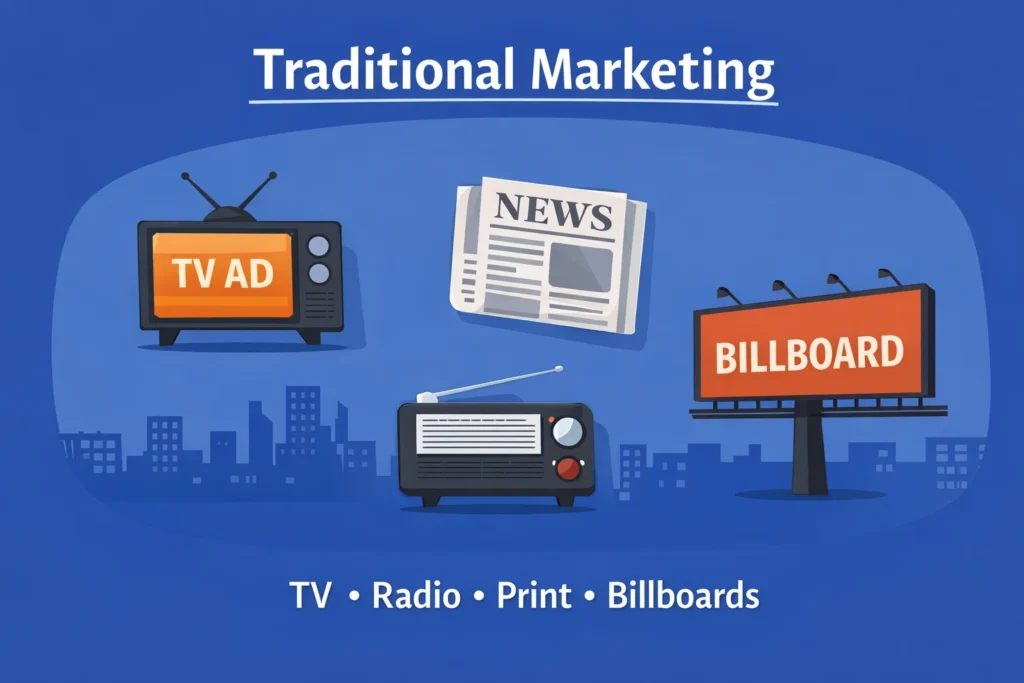
Television Advertising
Television commercials allow businesses to present visual advertisements to large audiences. Companies often display commercials during popular programs to increase brand visibility.
Print Advertising
Print advertisements appear in newspapers, magazines, brochures, and flyers. Businesses distribute printed materials to attract local audiences.
Radio Advertising
Radio advertisements help companies promote products through audio messages broadcast to listeners.
Outdoor Advertising
Outdoor advertising includes billboards, posters, banners, and transit advertisements placed in high-traffic areas.
These marketing methods often help businesses create brand awareness and reach audiences who rely on traditional media.
What Is Digital Marketing?
Digital marketing refers to promoting products and services through internet-based platforms. Businesses connect with customers online using websites, social media platforms, search engines, and digital advertisements.
Popular Digital Marketing Channels
Several digital marketing strategies help businesses grow their online presence.
Search Engine Optimization (SEO)
SEO improves website visibility on search engines such as Google. Businesses optimize website content so that it appears higher in search results.
Social Media Marketing
Social media marketing allows companies to promote products through platforms like Facebook, Instagram, LinkedIn, and Twitter.
Pay-Per-Click Advertising (PPC)
PPC advertising enables businesses to display ads on search engines or social platforms. Advertisers pay only when users click on their advertisements.
Content Marketing
Content marketing focuses on creating valuable content such as blogs, videos, and infographics that attract and educate audiences.
Email Marketing
Email marketing helps businesses communicate directly with customers by sharing offers, updates, and newsletters.
Because digital marketing relies on online platforms, businesses can easily track campaign performance and optimize their strategies.
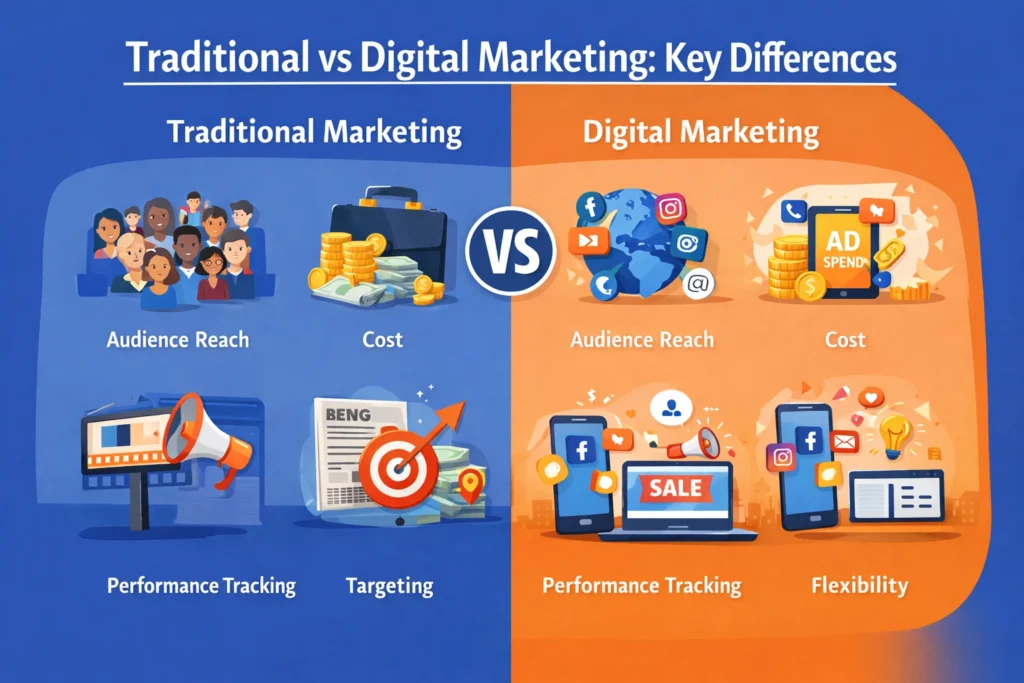
Traditional vs Digital Marketing: Key Differences
Understanding the differences between traditional vs digital marketing helps businesses select the most suitable promotional strategy.
1. Audience Reach
Traditional marketing reaches audiences through television, newspapers, and outdoor advertisements. Although these platforms reach large audiences, they often target broad groups without specific segmentation.
Digital marketing, however, allows businesses to reach global audiences through the internet. Companies promote products to people in different locations simultaneously.
Therefore, digital marketing provides wider and more flexible audience reach.
2. Cost of Marketing Campaigns
Traditional marketing campaigns often require significant investment. Television advertisements, print media placements, and billboard advertisements involve high production and distribution costs.
In contrast, digital marketing offers cost-effective promotional opportunities. Businesses launch online campaigns with flexible budgets and scale them gradually.
Because of lower costs, digital marketing becomes accessible even for startups and small businesses.
3. Target Audience Precision
Traditional marketing targets audiences based on general demographics or geographic locations. For example, newspaper advertisements target readers within a particular city or region.
Digital marketing provides advanced audience targeting. Businesses choose audiences based on age, interests, online behavior, location, and purchasing preferences.
As a result, digital marketing ensures advertisements reach the most relevant customers.
4. Measurable Results
Another major difference between traditional vs digital marketing lies in performance measurement.
Traditional marketing campaigns often provide limited data. Businesses find it difficult to measure how many people respond to a billboard or newspaper advertisement.
Digital marketing, however, provides detailed analytics. Marketers track metrics such as website visits, clicks, engagement rates, and conversions.
Consequently, businesses analyze performance easily and improve campaigns continuously.
5. Customer Engagement
Traditional marketing mainly delivers one-way communication. Customers receive marketing messages through advertisements but rarely interact directly with brands.
Digital marketing encourages interactive communication. Customers comment on social media posts, share content, and communicate directly with companies through messages or reviews.
This interaction builds stronger relationships between businesses and their audiences.
6. Campaign Speed
Traditional marketing campaigns require more preparation time. Designing advertisements, printing materials, and scheduling broadcast commercials often take several days or weeks.
Digital marketing campaigns launch much faster. Businesses create advertisements, publish content, and start campaigns within minutes.
Therefore, digital marketing allows companies to respond quickly to market trends.
7. Flexibility and Optimization
Traditional marketing campaigns remain fixed after launch. Making changes to printed advertisements or television commercials often requires additional cost.
Digital marketing campaigns remain highly flexible. Marketers modify advertisements, keywords, and targeting options in real time.
Because of this flexibility, businesses optimize campaigns continuously for better results.
Advantages of Digital Marketing
Digital marketing offers several benefits that help businesses grow efficiently.
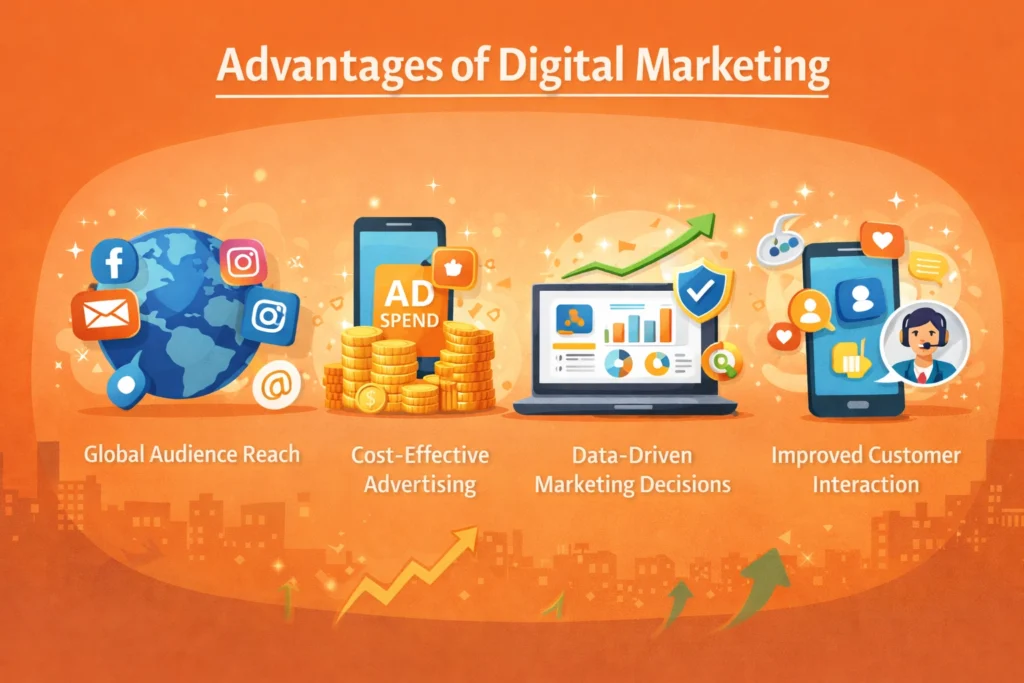
Global Audience Reach
Online platforms allow businesses to reach customers worldwide. Therefore, companies expand their markets beyond geographic boundaries.
Cost-Effective Advertising
Digital marketing campaigns require lower budgets compared to traditional advertising methods.
Data-Driven Marketing Decisions
Businesses analyze campaign performance using real-time analytics and optimize strategies accordingly.
Improved Customer Interaction
Social media platforms allow brands to communicate directly with customers and build lasting relationships.
Because of these advantages, digital marketing becomes the preferred strategy for many modern businesses.
Advantages of Traditional Marketing
Although digital marketing dominates the modern marketing landscape, traditional marketing still offers valuable benefits.
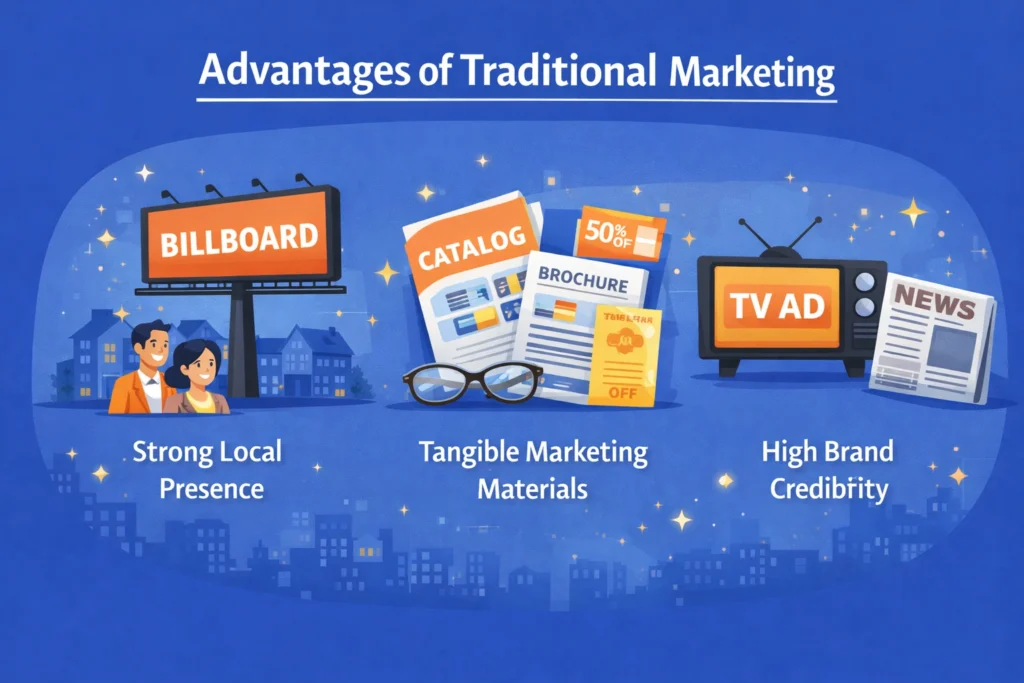
Strong Local Presence
Traditional marketing methods such as billboards and local newspapers effectively reach nearby audiences.
Tangible Marketing Materials
Printed brochures, catalogs, and flyers provide physical promotional materials that customers can review later.
High Brand Credibility
Many consumers still trust advertisements from established media channels such as television and newspapers.
Therefore, traditional marketing continues to play an important role in many industries.
Real-World Marketing Examples
Understanding traditional vs digital marketing becomes easier when examining real-world business scenarios.
For example, a local retail store often advertises products through printed flyers and newspaper advertisements. These traditional marketing strategies attract customers living nearby.
However, the same business also benefits from digital marketing. By creating a website and social media profiles, the store promotes products online and reaches a wider audience.
Similarly, e-commerce companies rely heavily on digital marketing strategies. They use SEO, Google Ads, content marketing, and social media campaigns to attract online shoppers.
Therefore, many businesses combine both traditional and digital marketing strategies to maximize their reach and improve overall marketing performance.
Future of Marketing Strategies
Marketing continues to evolve rapidly as technology advances. Consumers spend increasing amounts of time online, which encourages businesses to invest more in digital marketing strategies.
Artificial intelligence, data analytics, and marketing automation tools allow businesses to deliver personalized marketing experiences.
Although traditional marketing still plays an important role in brand awareness, digital marketing increasingly becomes the primary marketing channel for modern businesses.
Therefore, companies that adapt their strategies to digital platforms often achieve stronger growth and customer engagement.
Conclusion
Understanding the differences between traditional vs digital marketing helps businesses choose the right strategy for their goals. Traditional marketing uses offline channels such as television, radio, newspapers, and billboards to reach audiences. Digital marketing, however, uses online platforms such as search engines, websites, and social media to connect with customers.
Both marketing approaches offer unique advantages. Traditional marketing helps businesses build local brand recognition, while digital marketing provides targeted advertising, measurable results, and cost-effective promotional opportunities.
Therefore, many successful companies combine both strategies to achieve balanced marketing results. As technology continues to evolve, businesses that adapt their marketing strategies to modern digital platforms will remain competitive and continue to grow.
Digital Marketing for small Businesses
Digital Marketing for small Businesses
Introduction
Digital marketing for small businesses is no longer optional—it’s essential. In today’s competitive online world, small businesses need smart, affordable, and results-driven digital marketing strategies to attract customers, build trust, and grow revenue.
In this guide, we’ll explain what digital marketing for small businesses is, why it matters, and how your business can benefit from professional digital marketing services.
What Is Digital Marketing for Small Businesses?
Digital marketing for small businesses refers to using online channels such as search engines, social media, email, and websites to promote products or services to a targeted audience.
Unlike traditional marketing, digital marketing is:
- Cost-effective
- Measurable
- Highly targeted
- Scalable for small budgets
Why Digital Marketing Is Important for Small Businesses
Here’s why digital marketing for small businesses is a game-changer:
1. Increases Online Visibility
Your customers are searching online. SEO and content marketing help your business appear on Google when they need you most.
2. Attracts Targeted Customers
Digital marketing allows small businesses to reach the right audience based on location, interests, and behavior.
3. Builds Brand Trust
Consistent online presence through social media, blogs, and reviews builds credibility and trust.
4. Delivers Measurable Results
Track website traffic, leads, conversions, and ROI with real-time data.
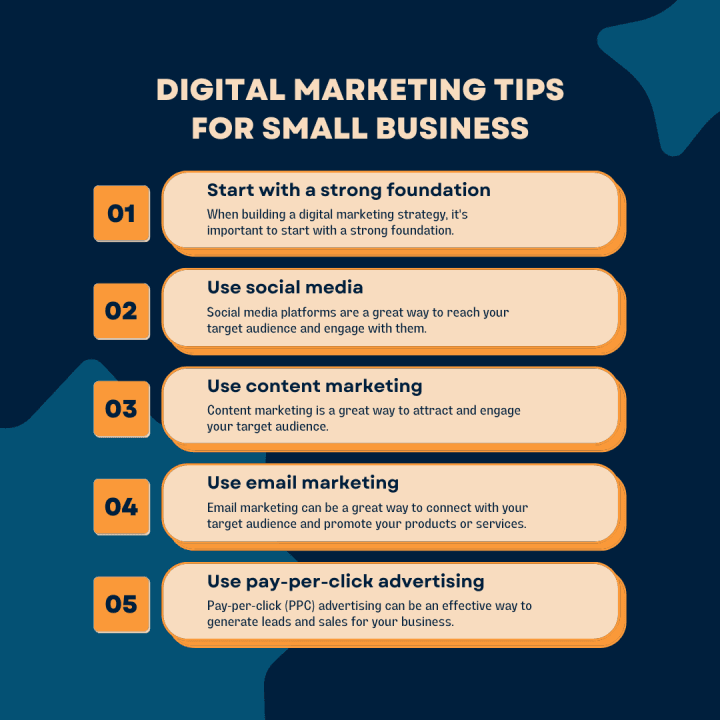
Best Digital Marketing Strategies for Small Businesses
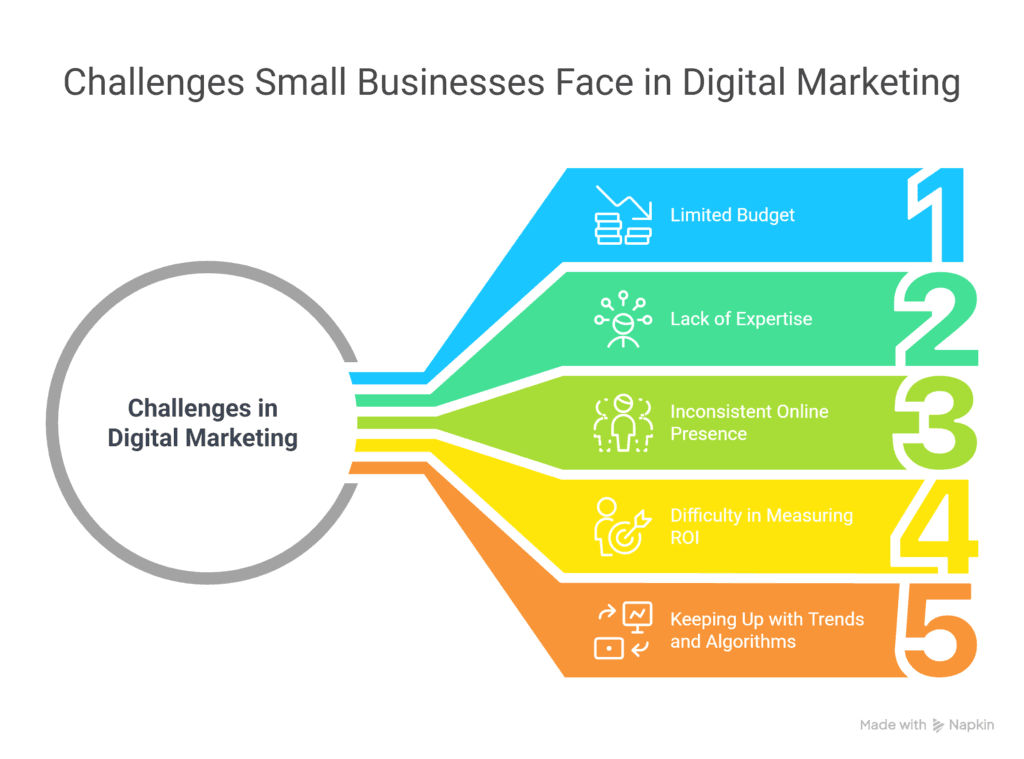
1.SEO is the foundation
SEO is the foundation of digital marketing for small businesses. It helps your website rank higher on Google and attract organic traffic.
Key SEO elements:
- Keyword optimization
- Technical SEO
- Local SEO
- High-quality content
2. Social Media Marketing
Platforms like Facebook, Instagram, and LinkedIn help small businesses connect directly with customers and grow brand awareness.
Benefits include:
- Increased engagement
- Customer loyalty
- Cost-effective advertising
3. Pay-Per-Click Advertising (PPC)
PPC ads give instant visibility and fast results, making them ideal for small businesses with limited time.
Examples:
- Google Ads
- Facebook Ads
- Instagram Ads
4. Content Marketing
Blog posts, videos, and infographics educate customers and support SEO efforts.
Quality content:
- Answers customer questions
- Builds authority
- Improves search rankings
5. Email Marketing
Email marketing keeps your audience engaged and drives repeat business at a low cost.
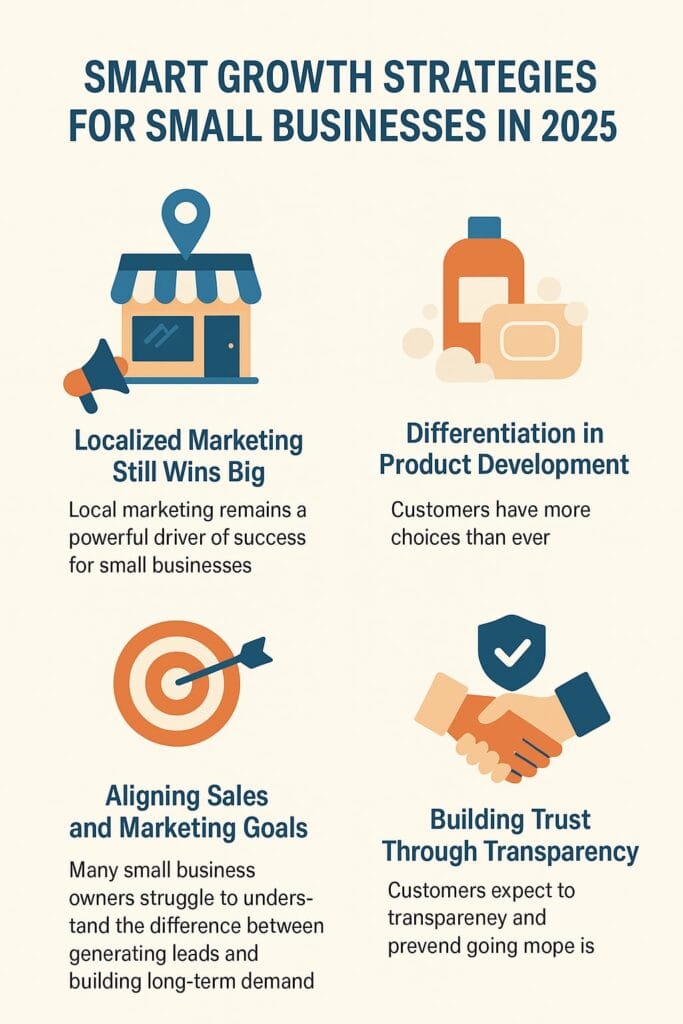
How Our Digital Marketing Agency Helps Small Businesses
We specialize in digital marketing for small businesses, offering customized strategies that deliver real results.
Our Services Include:
- SEO for small businesses
- Social media management
- Google Ads & PPC campaigns
- Website optimization
- Content marketing
Our goal is simple: help your business grow online faster and smarter.
Future of Digital Marketing for Small Businesses
In today’s competitive online world, digital marketing for small businesses has become an essential strategy for growth. Small businesses can reach their target audience more effectively through search engines, social media platforms, and online advertising. With the right digital marketing strategy, even small companies can compete with larger brands and build a strong online presence.
One of the biggest advantages of digital marketing for small businesses is cost-effectiveness. Unlike traditional marketing methods, digital marketing allows businesses to promote their products and services with a smaller budget while reaching a larger audience. Tools like SEO, social media marketing, email marketing, and paid advertising help businesses generate leads and increase customer engagement.
As technology continues to evolve, digital marketing for small businesses will become even more important. Businesses that invest in digital marketing strategies today will have a better chance of growing their brand, attracting more customers, and increasing sales in the future.
Digital Marketing for Small Businesses: Key Benefits
✔ Increased website traffic
✔ Higher quality leads
✔ Better conversion rates
✔ Strong online presence
✔ Long-term business growth
Online Digital Marketing – A Complete Guide For Business Growth
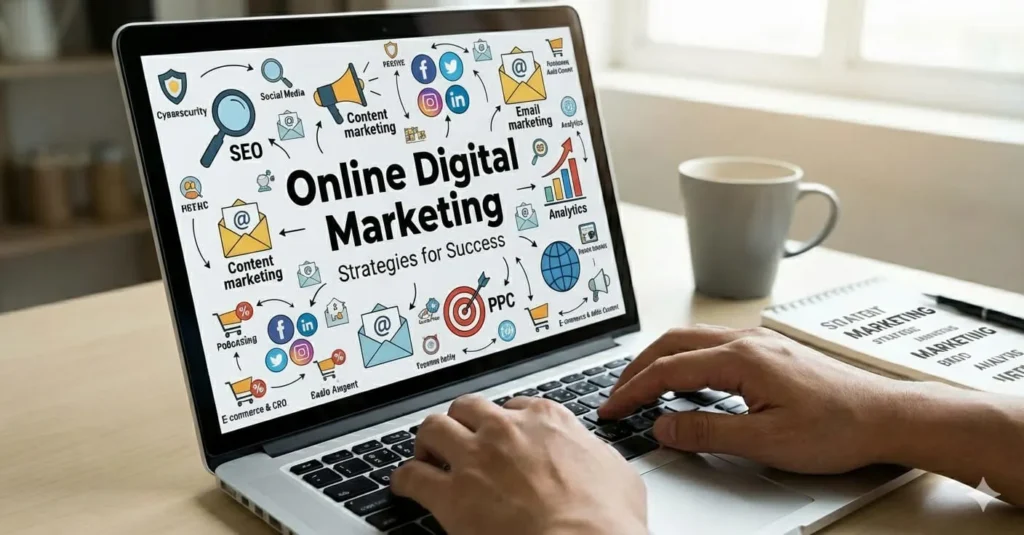
Online Digital Marketing plays a vital role in helping businesses grow in today’s competitive environment. Although traditional marketing still exists, online methods offer better reach and measurable outcomes. Therefore, businesses of all sizes focus on digital platforms to attract customers. Moreover, digital strategies help brands connect with the right audience at the right time.
As a result, companies gain stronger visibility and steady growth. Additionally, online channels allow brands to promote products and services more efficiently than offline methods.
What Is Online Digital Marketing and Why It Matters
online marketing strategies refers to promoting businesses through internet-based channels such as search engines, websites, social platforms, and email. Furthermore, it allows brands to communicate directly with their audience. Therefore, businesses understand customer behavior and preferences more clearly.
Although many marketing options exist, digital promotion stands out because it provides real-time performance data. Consequently, businesses track results, refine strategies, and improve outcomes faster. Moreover, digital channels help both small and large companies compete effectively in the online marketplace.
Key Components of Online Digital Marketing Strategy
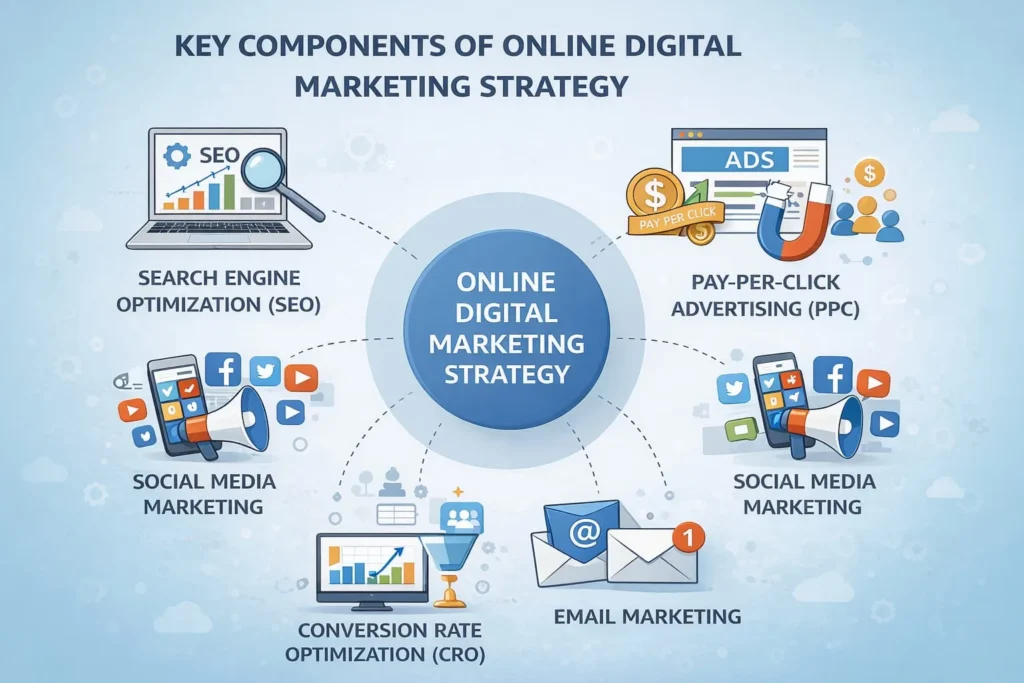
A successful Online Digital Marketing strategy includes several core elements that work together to support business goals. Additionally, each component strengthens visibility, engagement, and conversions.
Search Engine Optimization (SEO)
SEO helps websites rank higher on search engines. Therefore, businesses gain organic traffic and long-term visibility. Moreover, SEO improves website credibility and user experience.
Content Marketing
Content marketing focuses on creating valuable blogs, videos, and visuals. As a result, businesses educate audiences and build trust. Additionally, quality content supports SEO and social engagement.
Social Media Marketing
Social platforms help brands connect directly with users. Moreover, businesses engage audiences through posts, stories, and paid promotions. Consequently, social media builds awareness and loyalty.
Pay-Per-Click Advertising (PPC)
PPC advertising delivers quick visibility. Therefore, businesses drive targeted traffic efficiently. Additionally, PPC offers budget control and measurable performance.
Email Marketing
Email campaigns help maintain customer relationships. Moreover, they support promotions, updates, and lead nurturing. As a result, conversions improve steadily.
Benefits of internet marketing strategies for Businesses
Online Digital Marketing provides several advantages that support sustainable business growth.
- Cost-effective promotion, therefore businesses manage budgets better
- Wider reach, so brands connect with global audiences
- Measurable results, which help optimize performance
- Better customer engagement, leading to stronger relationships
- Flexible strategies, allowing quick adjustments
Additionally, analytics offer valuable insights. Although traditional marketing lacks detailed tracking, digital methods provide transparency and control.
How Digital Marketing Helps Small and Large Businesses
Online Digital Marketing supports both startups and established enterprises. Although budgets differ, digital tools create fair competition. Therefore, even small businesses reach the right audience with smart planning.
Moreover, online platforms allow campaigns to scale easily. As a result, companies grow without heavy investments. Additionally, digital promotion ensures brand consistency across all channels.
Furthermore, collecting customer feedback becomes easier. Consequently, businesses improve services and customer satisfaction continuously.
Future Trends in Online Digital Marketing
Internet marketing strategies continues to evolve with technology. Moreover, artificial intelligence, voice search, and automation shape future strategies. Therefore, businesses must stay updated to remain competitive.
Additionally, personalized marketing gains importance. As a result, customers receive content tailored to their interests. Furthermore, video and interactive formats continue to grow in popularity.
Consequently, early adopters enjoy stronger digital presence and long-term success.
Additionally, businesses that consistently analyze performance data can refine their digital strategies more effectively. As a result, campaigns become more efficient, customer engagement improves, and long-term online success becomes achievable.
Conclusion
Online Digital Marketing is no longer optional for modern businesses. Instead, it becomes essential for visibility, engagement, and growth. Although digital trends change constantly, the right strategies deliver consistent results. Therefore, businesses that invest wisely in digital promotion stay competitive and successful in the long run.
News
Latest Digital Marketing News in 2026: Key Updates Every Business Should Know
The latest digital marketing news in 2026 reveals a powerful transformation in how brands connect, engage, and grow online. Digital marketing is no longer limited to basic visibility or traffic generation. In 2026, it is driven by personalization, trust, intelligence, and real-time engagement. Businesses are rapidly adopting smarter technologies, adapting to evolving search behavior, and responding to stricter privacy standards. Brands that embrace value-driven strategies, user-centric experiences, and innovation are achieving remarkable growth, while outdated tactics are quickly becoming ineffective.
How the Latest Digital Marketing News in 2026 Is Redefining Growth
Digital marketing strategies in 2026 are strongly shaped by artificial intelligence and intelligent automation. Advanced AI-powered tools now empower marketers to analyze customer intent, predict future trends, and optimize campaigns instantly. Content creation, ad targeting, and performance tracking have become faster, smarter, and more accurate. Instead of relying on manual updates, businesses are using intelligent systems to deliver consistent, high-impact results with confidence and precision.
Search engine optimization has also reached a new level of sophistication. Search engines now reward content that demonstrates genuine expertise, authority, and usefulness. Simply inserting keywords is no longer enough. Pages that provide clear answers, load quickly, and deliver exceptional user experience are ranking higher. Voice search and conversational queries continue to grow, making natural language optimization and long-tail search strategies essential for success.
Social Media and Content Trends Powering Success in 2026
Social media platforms in 2026 are prioritizing meaningful engagement over passive reach. Algorithms strongly favor comments, shares, saves, and conversations, encouraging brands to create compelling content that inspires interaction. Short-form video remains dominant, but educational content, authentic storytelling, and behind-the-scenes experiences are building deeper trust and loyalty. Brands that engage consistently and transparently with their communities are achieving stronger visibility and long-term relationships.
Content marketing has become more intentional and impactful. Instead of publishing large volumes of content, businesses are focusing on high-quality, informative, and problem-solving material. Interactive content such as polls, quizzes, calculators, and tools is gaining popularity, as it boosts engagement, increases time on site, and enhances overall user experience.
Privacy-First Marketing and Smarter Advertising Strategies
Privacy has become a critical priority in digital marketing in 2026. With reduced access to third-party data, businesses are confidently investing in first-party data strategies, including email marketing, CRM platforms, and personalized website experiences. This approach not only strengthens customer trust but also enables brands to deliver highly relevant and ethical marketing campaigns.
Paid advertising has also become more intelligent and performance-driven. PPC campaigns are now powered by advanced automation, predictive analytics, and audience insights. These powerful tools help businesses reduce wasted ad spend, improve targeting accuracy, and increase conversions. When combined with strong SEO and high-performing websites, paid campaigns continue to deliver fast, measurable, and scalable results.
Why Staying Updated with Digital Marketing News Creates a Competitive Advantage
Keeping up with the latest trends empowers businesses to stay agile, competitive, and future-ready. Brands that align their strategies with current digital changes are better positioned for sustainable success and long-term growth.
Learn more about our proven approach to digital growth on our Services page:
➡️ Top 3 Powerful SEO in Digital Marketing Services to Grow
Top 3 powerful SEO in Digital Marketing Services to Grow
For trusted industry insights and data-backed trends, explore:
➡️ Think with Google – Top digital marketing trends and predictions for 2026
https://www.thinkwithgoogle.com/
Future-Oriented Strategies Influencing Digital Marketing in 2026
Latest Digital Marketing News in 2026 Creating Strong, Trust-Driven Digital Impact
As digital marketing developments in 2026 continue to evolve, one truth is clear: adaptability is now essential. Businesses are shifting from short-term campaigns to long-term digital ecosystems that prioritize customer experience at every touchpoint. Websites are becoming faster, smarter, and more personalized, using real-time data to deliver relevant content based on behavior, location, and intent. This strategic approach drives higher engagement, builds credibility, and significantly improves conversion rates.
Omnichannel marketing is also gaining unstoppable momentum. Customers now expect seamless and consistent messaging across websites, search engines, social platforms, email, and paid ads. Brands that integrate SEO, PPC, and social media strategies are experiencing stronger performance, clearer brand identity, and greater impact. Unified dashboards and advanced analytics tools are enabling marketers to make confident, data-driven decisions with clarity and speed.
Email marketing has evolved into a highly powerful and precise channel in 2026. AI-driven segmentation, personalized subject lines, dynamic content blocks, and automated follow-ups are driving higher open rates and engagement. When supported by first-party data strategies, email marketing remains one of the most reliable, cost-effective, and conversion-focused channels available.
Influencer marketing has become more authentic and results-oriented. Brands are moving away from large influencers toward micro and niche influencers who command genuine trust within their communities. This shift reflects the growing importance of transparency, credibility, and meaningful connections in digital marketing. Today’s consumers are informed, selective, and value-driven, making authenticity a decisive success factor.
Performance measurement has also become more precise and insightful. Marketers are focusing on powerful metrics such as engagement quality, customer lifetime value, and conversion journeys rather than vanity metrics. These insights allow businesses to continuously optimize strategies, maximize ROI, and maintain a strong competitive edge.
In summary, the latest digital marketing news in 2026 highlights a confident move toward smarter technology, deeper personalization, and stronger customer relationships. Businesses that embrace innovation with purpose and stay focused on user needs are perfectly positioned to achieve sustainable, long-term digital success.
Frequently Asked Questions
What is the latest digital marketing news in 2026?
The latest digital marketing news in 2026 focuses on AI-driven marketing, experience-based SEO, privacy-first advertising, and stronger personalization across digital channels. Businesses are prioritizing user trust, automation, and data-driven strategies.
How is SEO changing in digital marketing in 2026?
SEO in 2026 emphasizes helpful, experience-focused content rather than keyword-heavy pages. Search engines now reward originality, page experience, and content that clearly answers user intent, especially for voice and conversational searches.
Why is AI important in digital marketing in 2026?
AI helps businesses analyze user behavior, optimize campaigns in real time, personalize content, and improve ad performance. In 2026, AI is a core part of SEO, PPC, content marketing, and customer engagement strategies.
How does privacy-first marketing affect businesses in 2026?
With stricter data regulations, businesses are relying more on first-party data such as email lists and CRM systems. Privacy-first marketing builds customer trust while still allowing brands to deliver personalized digital experiences.
Is social media marketing still effective in 2026?
Yes, social media marketing remains effective in 2026, but success depends on engagement and authenticity. Platforms favor meaningful interactions like comments and shares, making community-building more important than follower counts.
How can businesses stay competitive with digital marketing in 2026?
Businesses can stay competitive by keeping up with the latest digital marketing news in 2026, investing in SEO, improving website performance, using data-driven PPC strategies, and focusing on long-term customer relationships.